1 hr
Traditional Tea Ceremony at Kenrokutei in Kenrokuen Garden
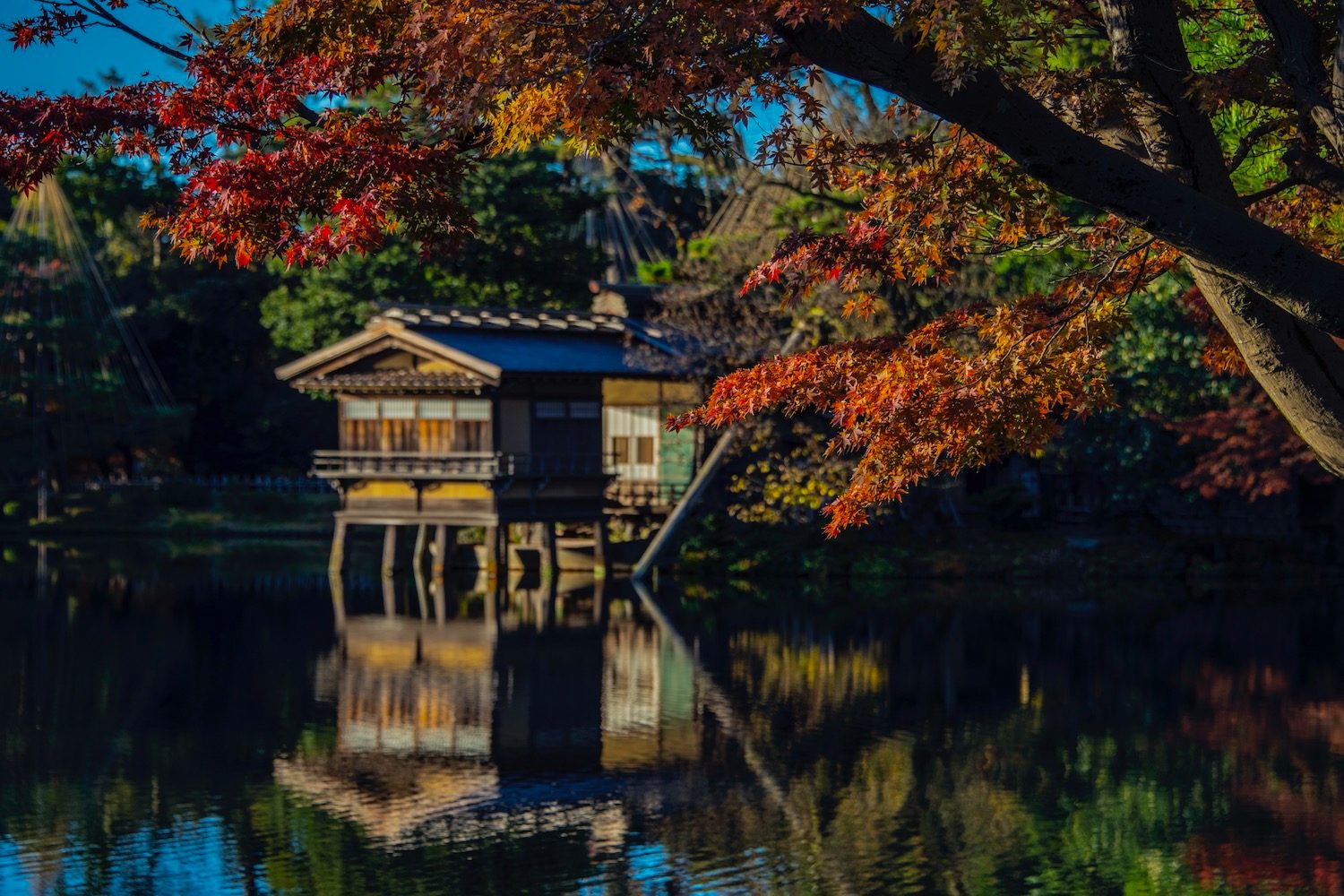
Participate in an authentic Japanese tea ritual led by a master at a historic venue once reserved for nobility
Reserve
Whisked matcha in Edo-era pavilions, where ritual meets landscape
Hand-picked by our editors — only the best 4 tea ceremony experiences from 12 reviewed.
Verified partners for Kenrokuen Tea Ceremony tours, free cancellation where available, and instant confirmation on every booking.
1 hr
Participate in an authentic Japanese tea ritual led by a master at a historic venue once reserved for nobility
Reserve
45 min
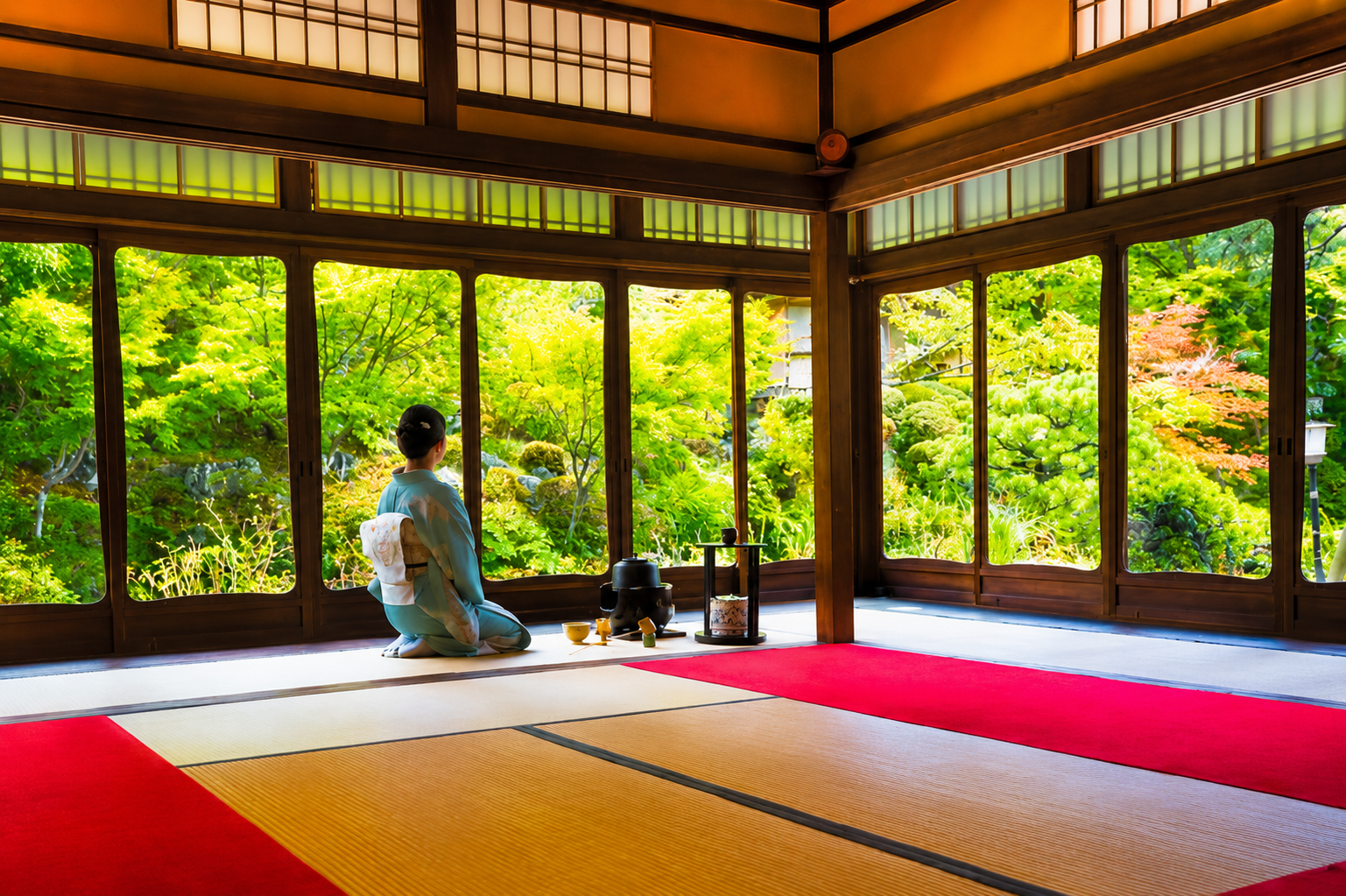
Participate in an authentic matcha ritual within a historic tea house surrounded by seasonal gardens
Reserve
1 hr 10 min
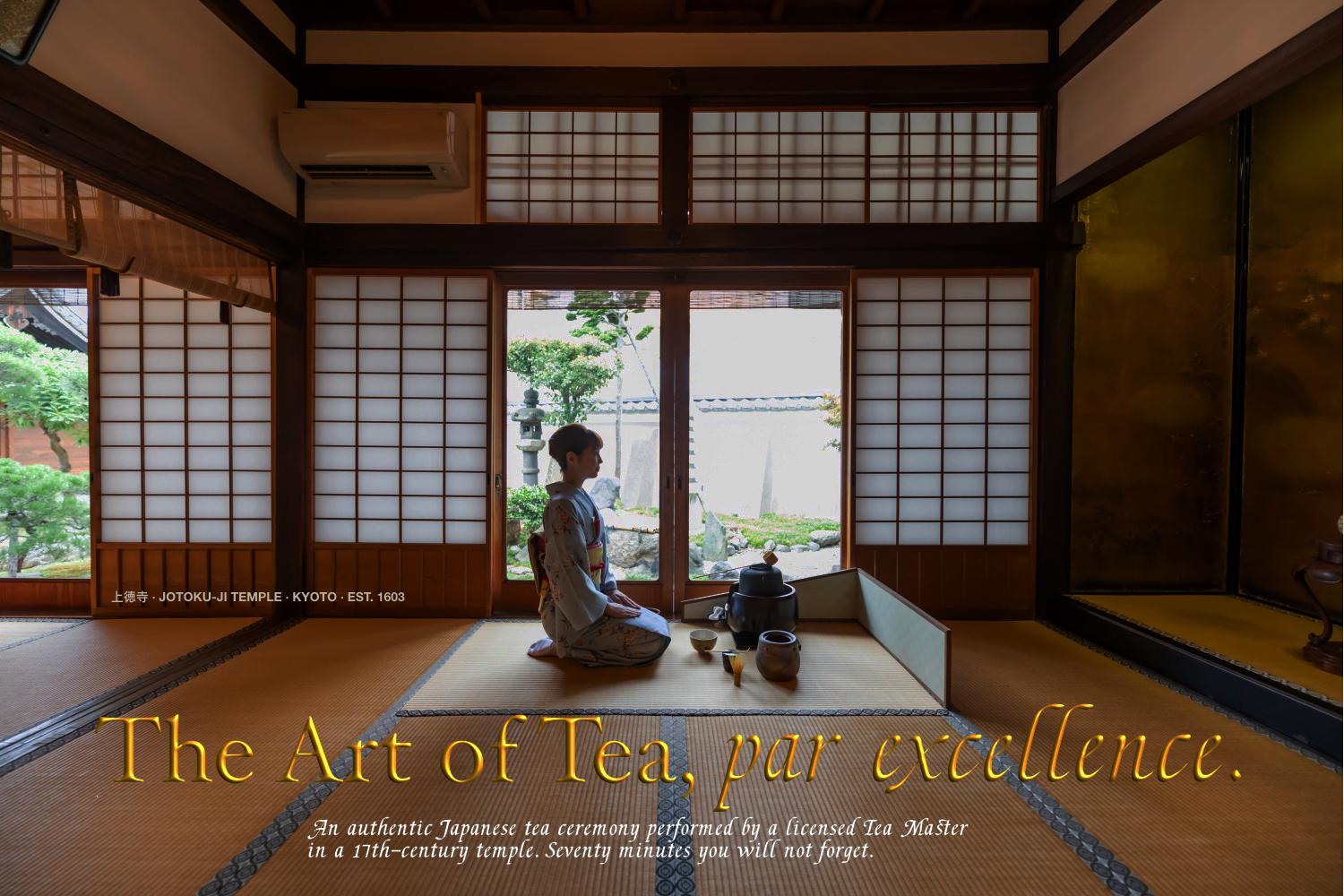
Immerse yourself in an authentic Japanese tea ritual led by a skilled Tea Master in a historic temple setting
ReservePrices from verified partners. Availability updates in real time at checkout. Free cancellation policies apply where shown.
The landmarks, rooms, and views travelers on Kenrokuen Tea Ceremony tours remember — all visible on a single visit.
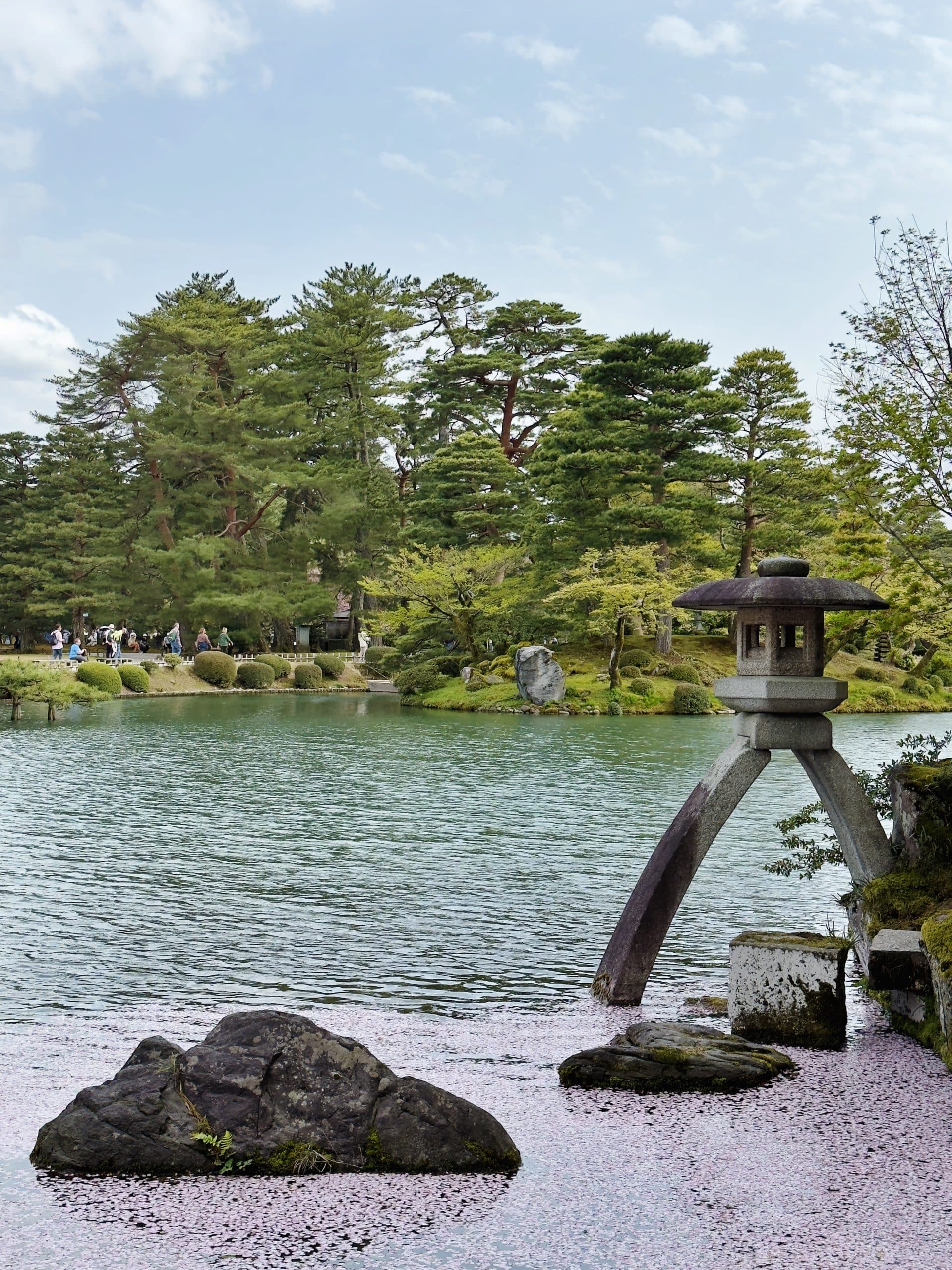
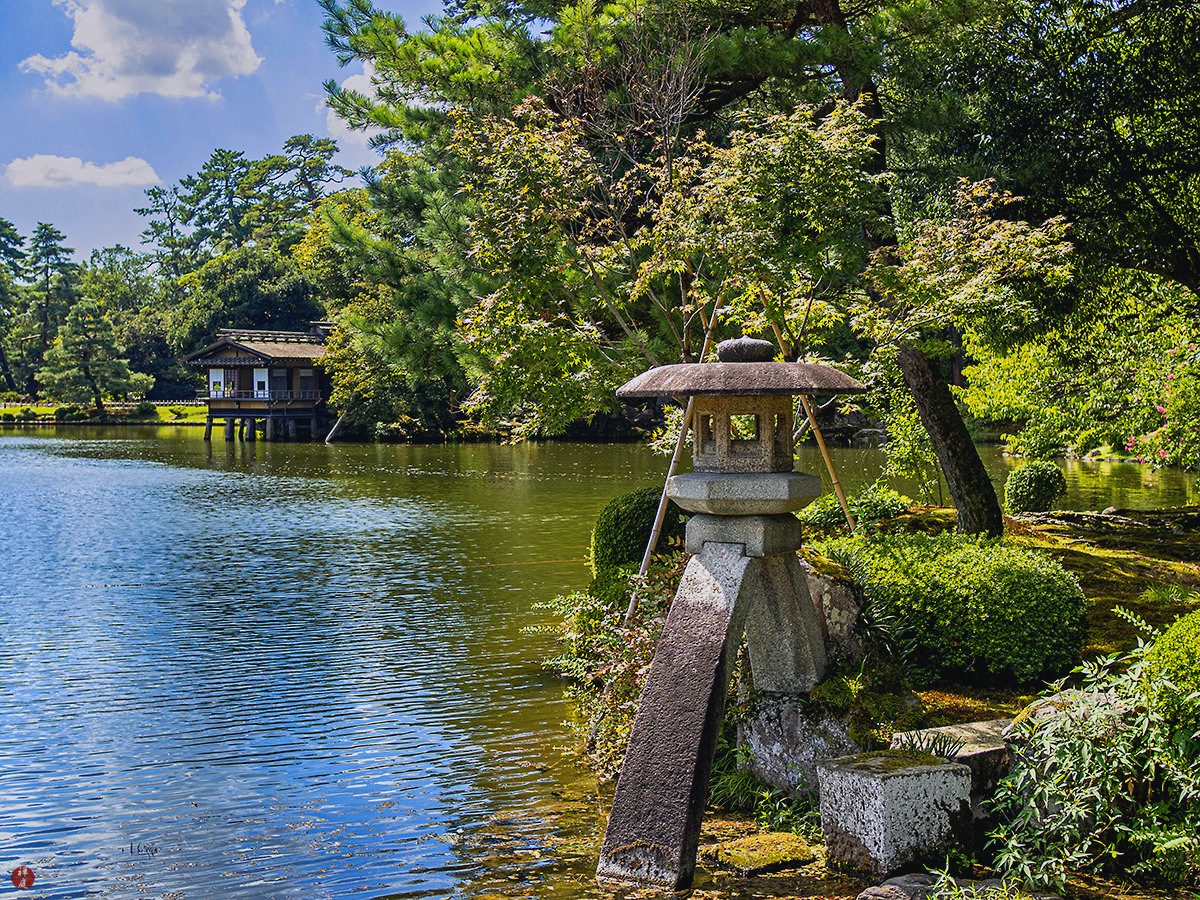
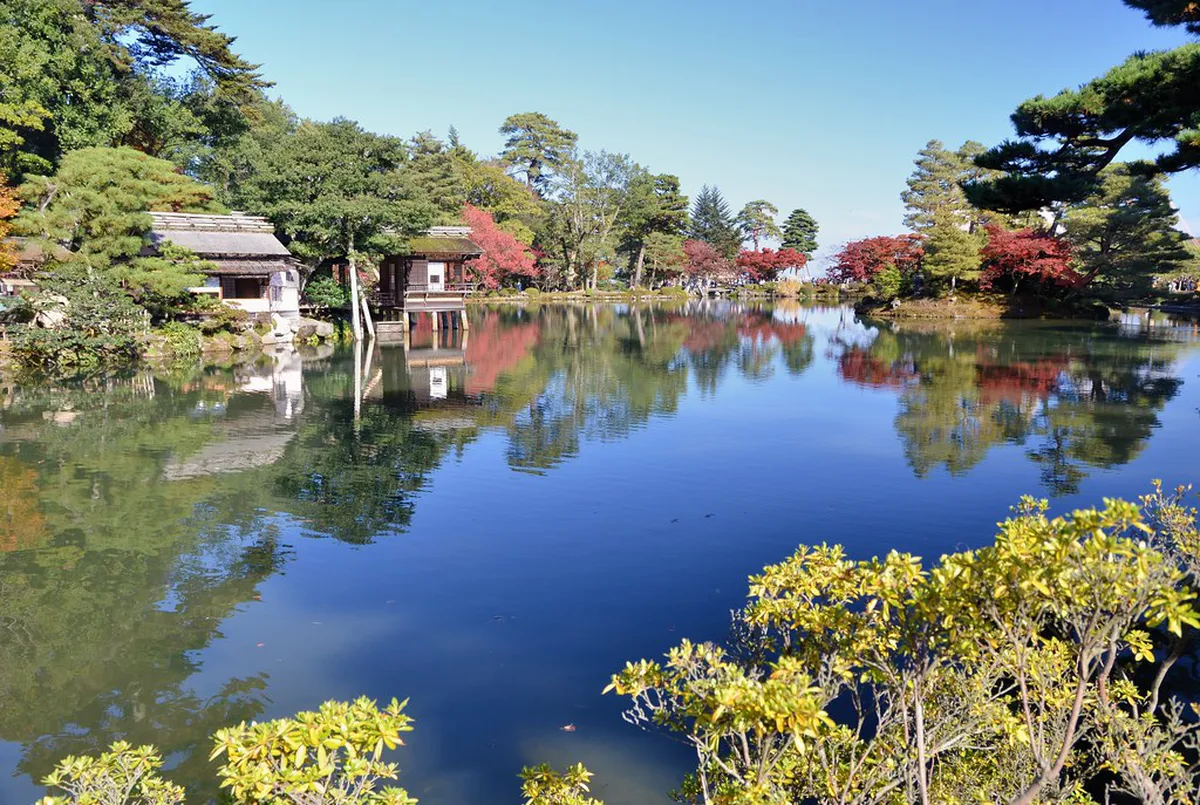
The heart of the garden, this large artificial pond features the iconic Horai Island.
A famous two-legged stone lantern that serves as a signature symbol of the garden.
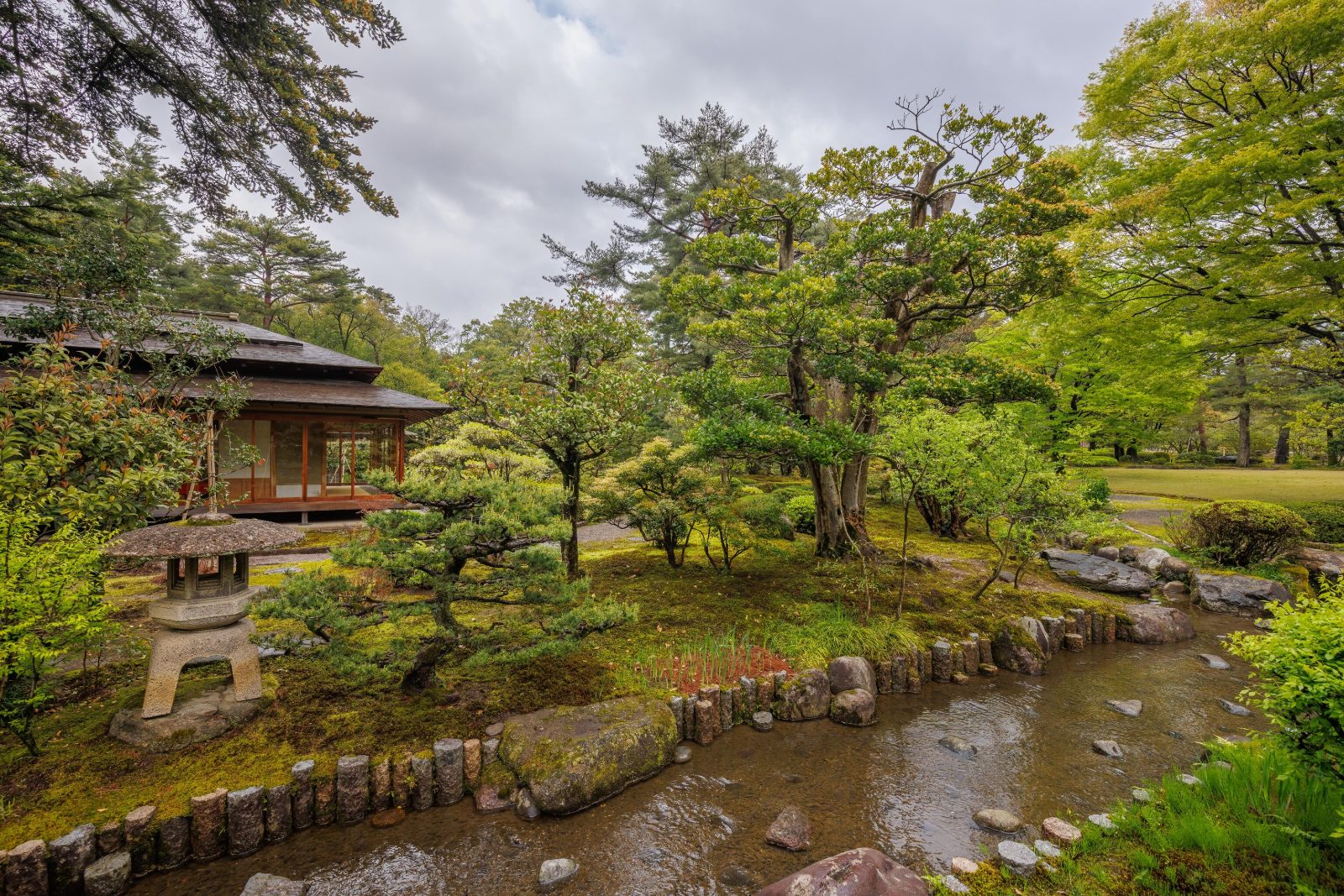
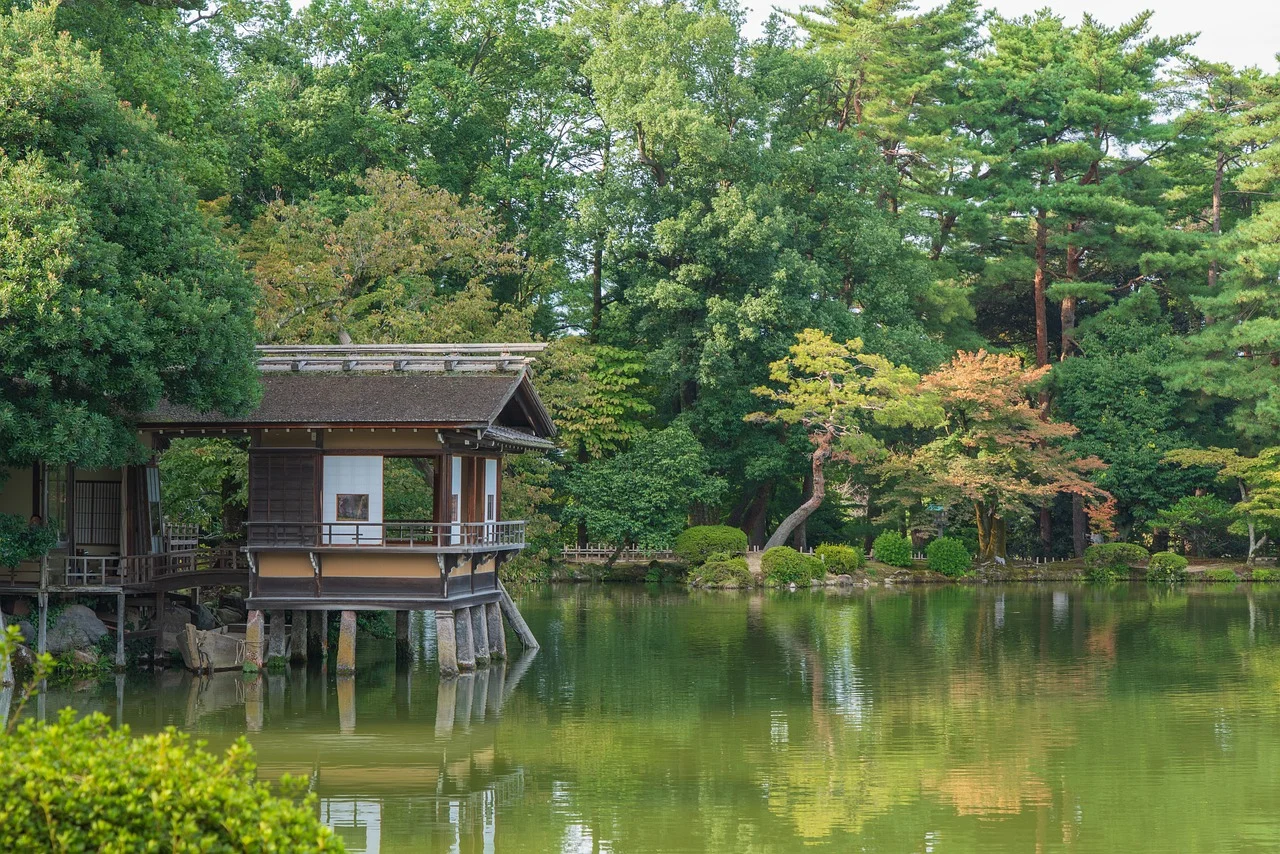
A historic teahouse where guests can experience the traditional kenrokuen tea ceremony.
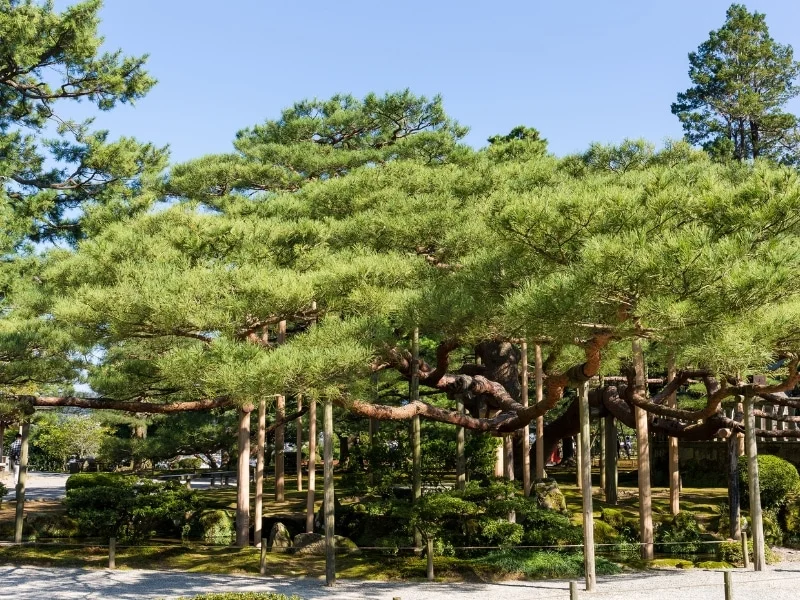
A majestic pine tree grown from seeds by the 13th Lord Nariyasu.
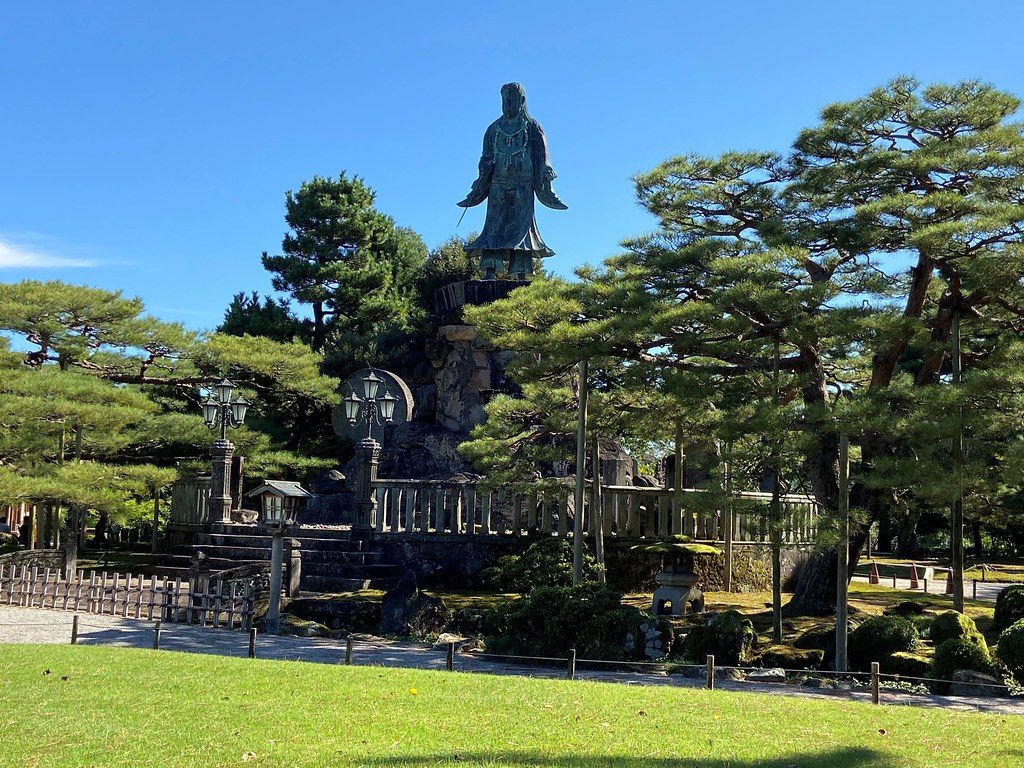
A bronze statue dedicated to soldiers who died in the Seinan War.
Every Kenrokuen Tea Ceremony tour side-by-side — duration, what's included, how you redeem.
| Experience | Duration | Rating | Guide | Small group | Free cancel. | Price | |
|---|---|---|---|---|---|---|---|
|
Standard Entry Most popular
Traditional Tea Ceremony at Kenrokutei in Kenrokuen Garden
|
1 hr | ★ 4.8 | — | ✓ | ✓ | €30 | Book → |
|
Standard Entry
Garden Tea House Ceremony near Kiyomizu-dera
|
45 min | ★ 4.9 | — | — | ✓ | €41 | Book → |
|
Standard Entry
Traditional Tea Ceremony at Jotokuji Temple
|
1 hr 10 min | ★ 4.9 | ✓ | ✓ | ✓ | €24 | Book → |
All prices from verified partners. Availability and exact terms confirmed at checkout.
They complement each other; visitors seeking a landscape-focused experience prefer the kenrokuen tea ceremony, while those wanting intimate historical interiors favor the samurai residence.
| Feature | Top pick Kenroku-en Garden | Nomura Clan House |
|---|---|---|
Setting |
Open-air landscape garden | |
Atmosphere |
Expansive and serene | |
Primary View |
Pond and manicured pines | |
Tea Type |
Matcha and seasonal wagashi | |
Traditional Formality |
Standard service level | |
Suitability for Photography |
Excellent for nature shots | |
| See tickets → |
Verdict: Choose the kenrokuen tea ceremony tours for outdoor scenery or the Nomura Clan Samurai House for a secluded, historical room setting with kenrokuen tea ceremony tickets often paired elsewhere, while kenrokuen tea ceremony tour availability varies by season.
Choose your ticket, select your date, and reserve in under two minutes. Secure checkout handled by our verified partner.
Instant confirmation by email, with a mobile voucher you can save offline. No printing, no queuing at a collection desk.
Arrive at the entrance, show your voucher on your phone, and walk in. Most tickets include priority or skip-the-line access.
Practical details for Kenrokuen Tea Ceremony tickets straight from our verified partners — hours, access, rules, and how to get there.
1 Kenrokumachi
Located in front of the fountain inside the garden
Open in Google MapsTake the Hokutetsu bus from Kanazawa Station to the Kenrokuen-shita stop.
Casual and comfortable clothing is recommended for navigating the garden's gravel paths and slopes. Traditional attire is not required for the kenrokuen tea ceremony.
Large bags should be stored before entering the tea room to ensure comfort in the confined space. Standard security protocols are in effect throughout the premises.
Photography is permitted in the garden and during the kenrokuen tea ceremony experience. Please be mindful of other guests and refrain from using flash inside the traditional tea rooms.
The garden features many slopes and gravel paths. Free wheelchair rentals are available at the Katsura-zaka, Renchi-mon, Kodatsuno, and Zushinzaka-guchi entrances.
Mobile phones are permitted. Keep ringer off inside exhibition spaces.
The garden is family-friendly, though the tea ceremony may require young children to remain seated quietly. Strollers may be difficult to maneuver on some garden paths.
Outside food is not permitted in the tea houses. Traditional wagashi sweets and matcha are served during the kenrokuen tea ceremony.
Pets are not allowed, with the exception of service animals with appropriate documentation.
Last entry is typically 1 hour before closing. Check the specific ticket for timing.
Best time to go, insider tips, nearby landmarks, and the cancellation fine print — flip through to skim what matters to you.
How crowds, weather, and events shift across the year.
Late March to April features iconic cherry blossoms and pleasant mild temperatures for strolling.
August offers lush green vistas and cooling water features throughout the garden landscape.
November showcases vibrant maple foliage perfect for photography near Yamazakiyama.
January to February highlights the yukitsuri rope structures protecting pines from snowfall.
Small details that turn a good visit into a great one.
Enter during early morning hours to enjoy the garden for free before regular opening times.
Book your kenrokuen tea ceremony tour for mid-morning to combine with a garden stroll.
Wear comfortable shoes as the garden grounds are extensive and feature natural terrain.
Use the Katsurazaka Entrance for the most direct access to major central landmarks.
Seniors over 65 can enter for free upon presenting a valid passport or ID at the gate.
Secure your kenrokuen tea ceremony tickets online in advance to guarantee your preferred time slot.
Non-bookable sights within a short walk — free to visit, easy to pair.
A historic castle site with extensive restoration of gates and walls.
Flexible, no hidden fees.
For the kenrokuen tea ceremony experience, you may cancel up to 24 hours in advance for a full refund. Please note that the 320 JPY garden admission fee is a separate requirement.
Hand-picked options within walking distance — pick a district for vibe, or a specific hotel for convenience.
Various hotels located within walking distance of the cultural district.
Kenrokuen Garden shelters two historic tea houses where the ritual preparation of matcha has unfolded for more than two centuries.
Built during the late Edo period under Maeda clan patronage, these timber pavilions—Yugao-tei and Shigure-tei—preserve the aesthetic principles of wabi-sabi and ichi-go ichi-e, the conviction that each gathering exists only once. The Maeda lords commissioned both structures as intimate counterpoints to the garden's monumental scale, spaces where political negotiation and poetic reflection converged over bowls of powdered green tea.
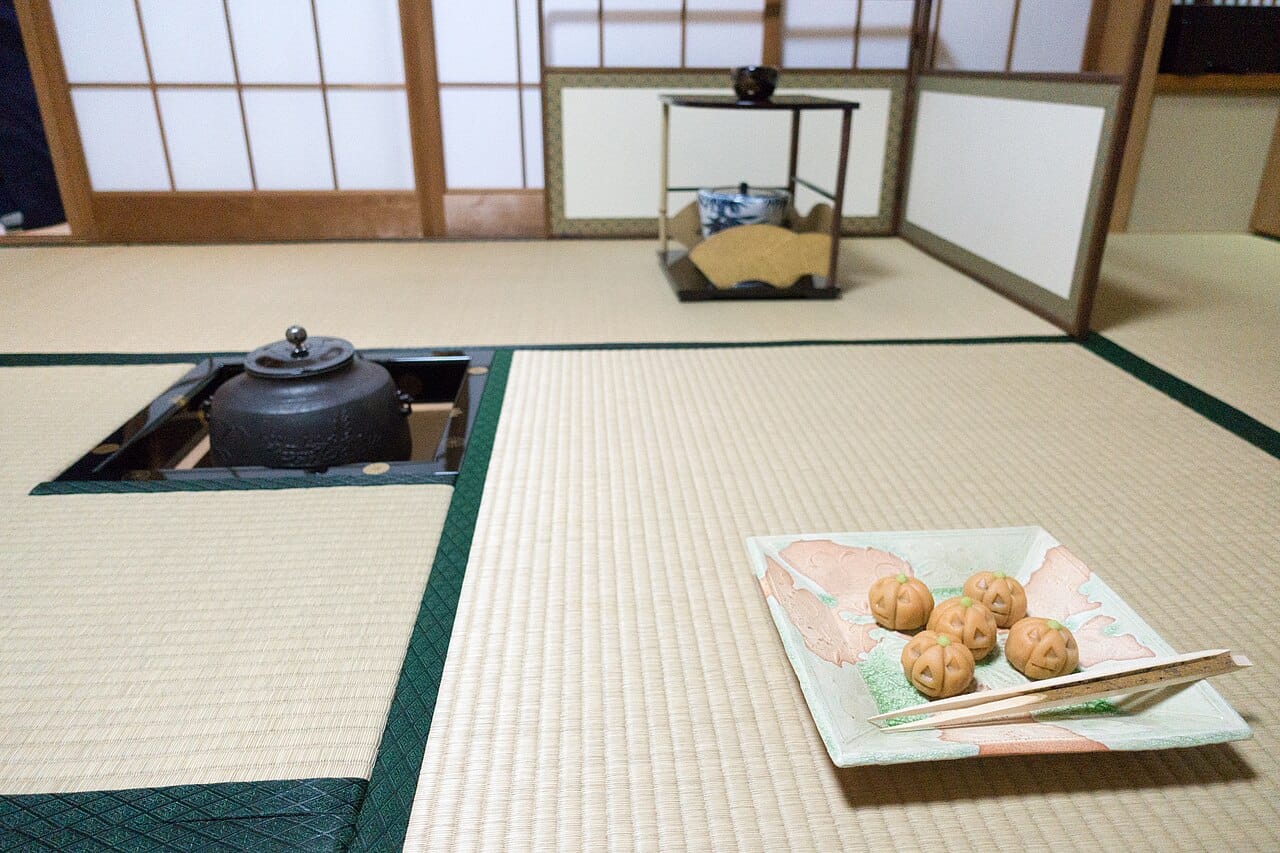
Today the kenrokuen tea ceremony offers visitors a tactile encounter with chanoyu tradition inside rooms designed for precisely that purpose. Yugao-tei, the garden's oldest tea house, features sliding lattice screens and a sunken hearth that anchors the ceremony's choreography. Shigure-tei occupies an elevated position with direct views of Kasumigaike Pond, where the changing surface light becomes part of the ritual's visual grammar. Both pavilions operate under formal tea schools—primarily Urasenke lineage—that maintain strict protocols for utensil placement, water temperature, and the sixteen-step whisking motion that transforms tencha leaves into froth.
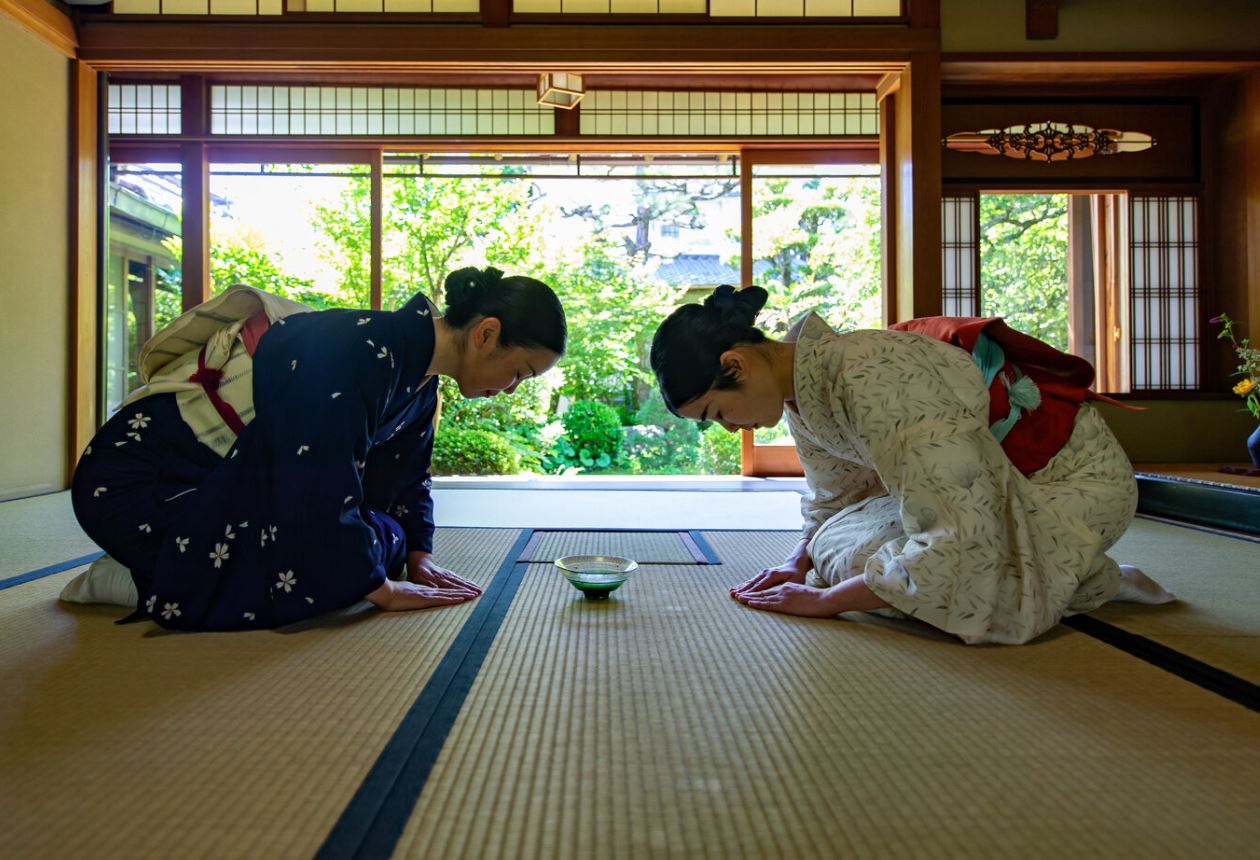
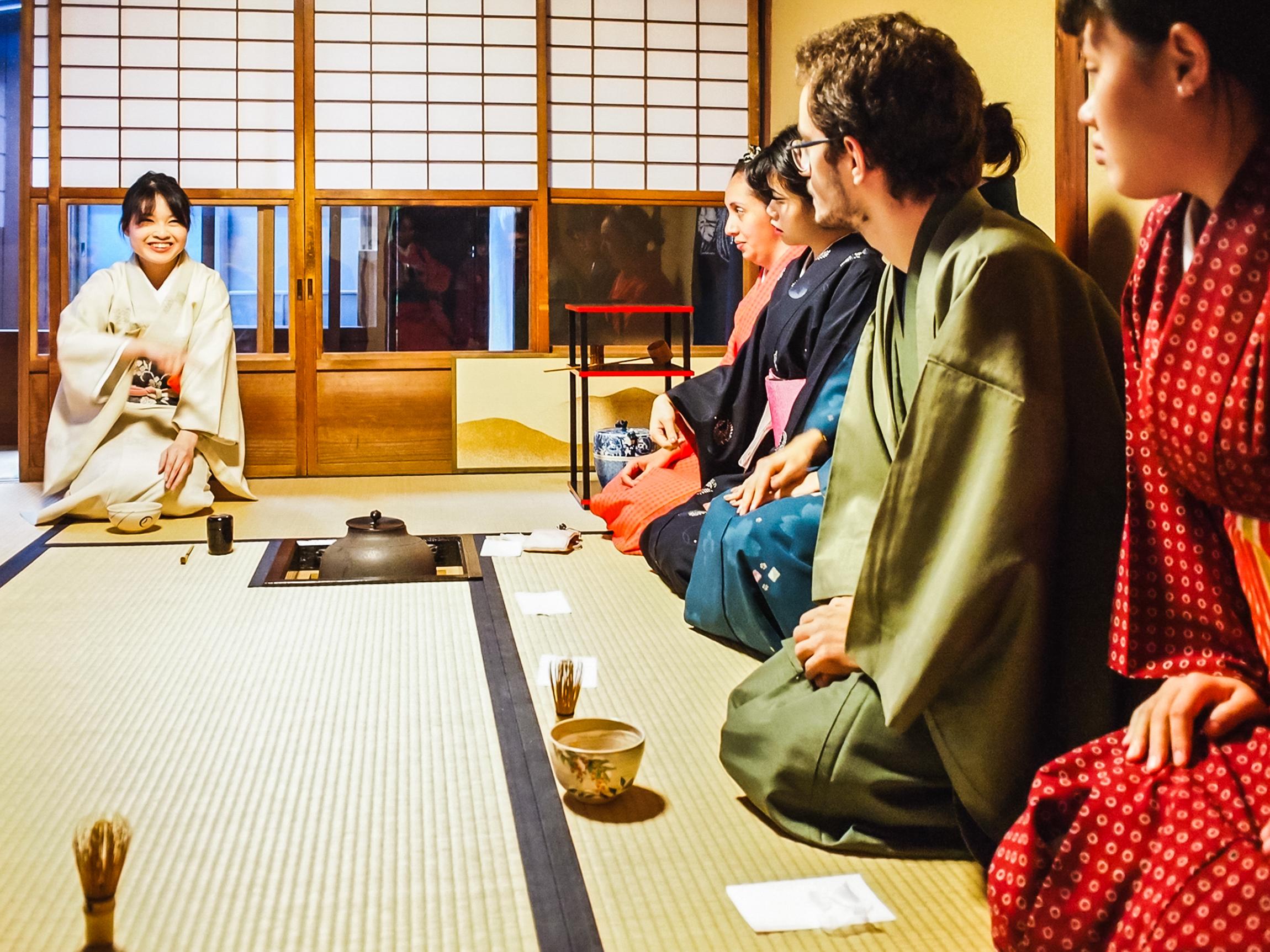
The kenrokuen tea ceremony tour typically spans forty-five minutes and includes seasonal wagashi confections prepared to balance matcha's astringency. Visitors kneel on tatami mats while a tea master executes each gesture with deliberate economy, from the silk cloth's fold to the bamboo scoop's arc. The ritual unfolds in near silence, punctuated only by the kettle's low hum and the host's quiet explanations of form and symbolism. This is not performance but practice, a living transmission of techniques refined across four centuries.
Kenrokuen Garden itself—one of Japan's Sanmeien, or Three Great Gardens—provides the essential backdrop. Commissioned in 1676 and expanded over successive generations, its eleven hectares balance the six attributes classical Chinese theory deemed incompatible in a single landscape: spaciousness, seclusion, artifice, antiquity, water features, and panoramic views. The tea houses nestle within this calculated composition, their intimate scale contrasting with the garden's deliberate grandeur. Visitors entering for the standard 320 JPY admission gain access to the grounds; tea ceremony reservations require advance booking through cultural programming partners.

"Each gathering exists only once—the Maeda lords understood tea ceremony as both diplomacy and temporal meditation."
A step-by-step walkthrough of Kenrokuen Tea Ceremony tickets — what you'll see, how long each stage takes, and the details that matter.
You arrive at Kenrokuen's Katsurazaka Gate by eight in the morning, when mist still softens the stone lanterns and tourist groups have not yet arrived. Your reservation directs you past Kasumigaike Pond toward Shigure-tei, where a tea master in indigo kimono greets you at the entrance alcove.
You remove your shoes and step onto cool tatami, kneeling in seiza position as instructed.
The master arranges implements with surgical precision: a ceramic bowl, bamboo whisk, iron kettle simmering over charcoal. She presents a small wagashi confection on lacquered paper—today's is shaped like a summer hydrangea, its sweetness calculated to prepare your palate. You consume it in three bites, as tradition requires.
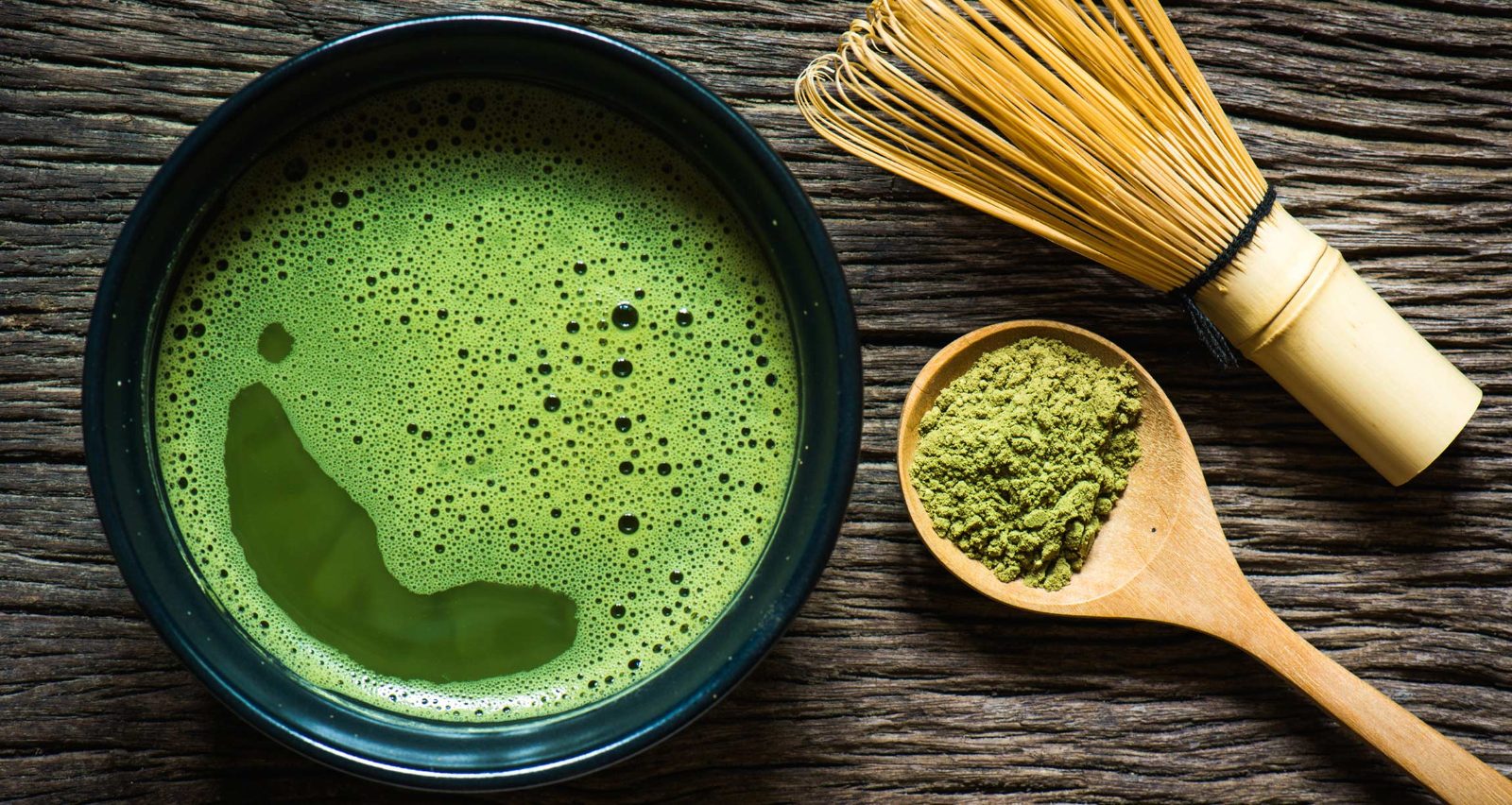
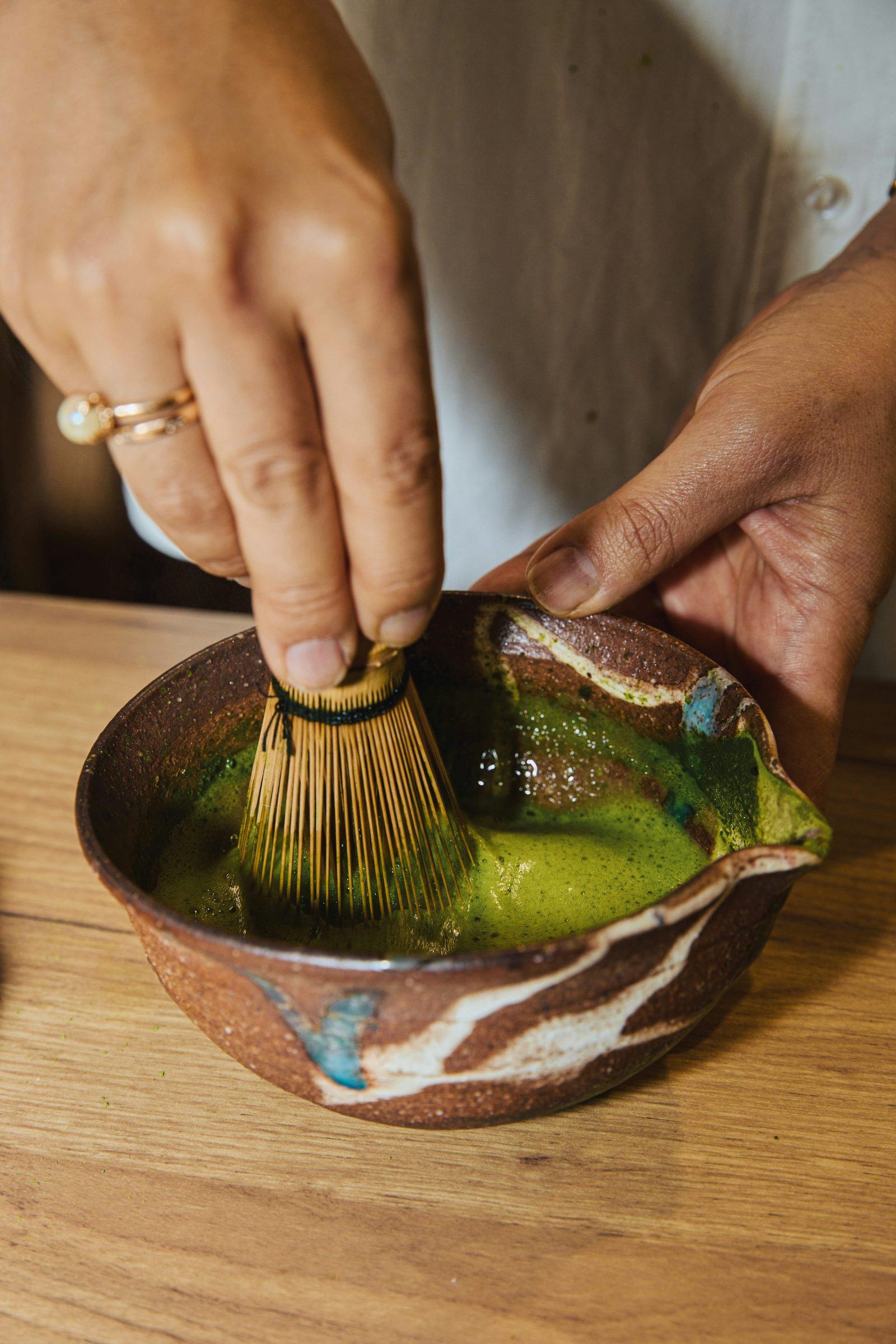
She ladles hot water, adds two scoops of vibrant matcha powder, and whisks in rapid M-shaped strokes until foam crowns the bowl's rim. The presentation comes with a slight bow, the bowl's decorative front turned toward you. You rotate it twice clockwise before drinking, the tea's grassy bitterness lingering as you study the garden through the open shoji screen. Kotoji-tōrō, the twin-legged stone lantern, stands reflected in the pond below, framed precisely by the pavilion's wooden threshold.
The garden is open daily from 07:00–18:00 during the spring and summer months.
Most traditional tea rooms have small entrances, but staff can assist with accessibility at the Kenroku-en Garden site.
Yes, you can secure your kenrokuen tea ceremony tickets in advance through reputable tour operators.
The garden admission fee is 320 JPY per adult, payable separately from your ceremony booking.
Large bags and professional camera gear are restricted to ensure the serenity of the tea house.
Photography is generally allowed during your kenrokuen tea ceremony tour, provided it does not disturb others.
The best arrival window is 07:00–09:00 to avoid crowds and enjoy the morning light.
Yes, families are welcome, though children should be able to sit quietly during the ritual.
You can easily combine your kenrokuen tea ceremony tour with a visit to the adjacent Kanazawa Castle Park.