Kenrokuen Tea Ceremony
Cultural Guide

Kenrokuen Tea House

Two working tea houses operate inside Kenroku-en Garden, preserving Kanazawa's status as one of Japan's tea ceremony capitals. Both structures date to the Edo period and maintain their original architectural elements. This guide identifies which chashitsu serve visitors, what ceremonies you can attend, and the protocol that governs entry.

8 min read Updated 2026-08-24 Fact-checked
Kenrokuen Tea House

Quick answer

The kenrokuen tea house facilities include Uchihashi-tei and Yugao-tei, both functioning chashitsu that host traditional matcha ceremonies daily during garden hours (09:00–16:30). Ceremonies require advance booking through authorized cultural centers or same-day entry when capacity permits. The garden entrance fee is 320 JPY; tea service carries separate menu charges. Last ceremony entry typically closes at 16:00 to allow completion before garden closure.

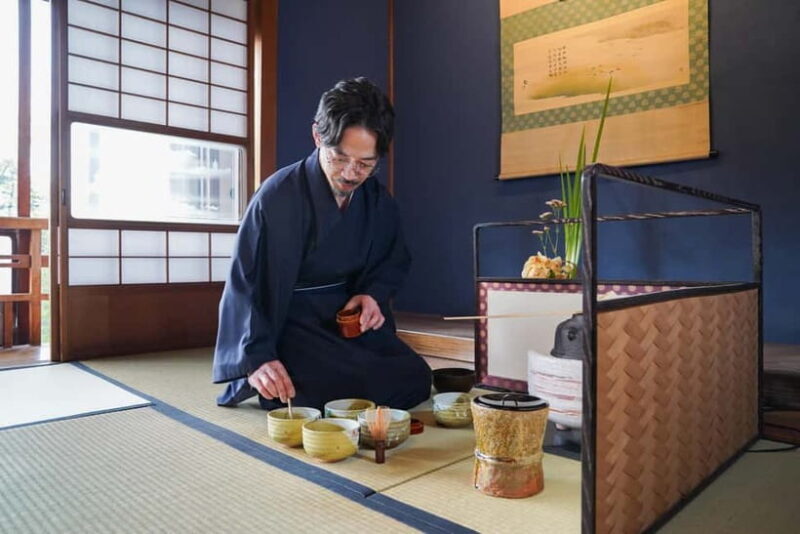
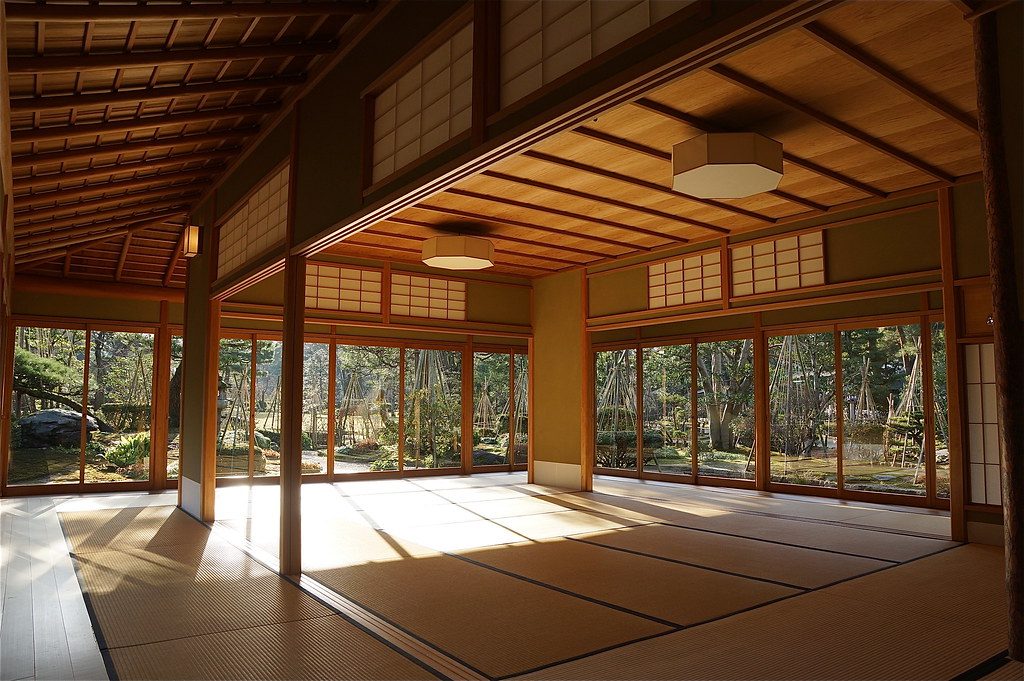
Kanazawa perfected tea ceremony culture under the Maeda clan, and Kenroku-en's chashitsu remain active training sites for local tea schools rather than staged tourist attractions. Uchihashi-tei, the larger of the two structures, sits on a peninsula extending into Kasumigaike Pond and accommodates formal tea gatherings in its tatami rooms. The building's name references the crane-shaped island visible from its veranda. Yugao-tei occupies a quieter position near the garden's southern boundary, designed for intimate ceremonies with fewer than ten participants. Both tea houses follow Kanazawa's Urasenke tradition, which emphasizes precise hand movements and seasonal wagashi pairings. Ceremony formats range from brief table-style services that take twenty minutes to full-length temae conducted entirely in seiza position across ninety minutes. Walk-in availability depends on whether tea school reservations fill the daily schedule. The kenrokuen tea house protocol differs from Kyoto's tourist-focused establishments in one key aspect: photography inside the chashitsu is prohibited once the ceremony begins, and participants are expected to silence devices before entering the preparation room. Seasonal variations affect the experience significantly—summer ceremonies in Yugao-tei take advantage of its open-wall design for natural ventilation, while winter sessions in Uchihashi-tei incorporate sunken hearths that Kanazawa masters consider essential for proper charcoal technique. The garden's conservation fee covers access to both tea house exteriors and their surrounding landscapes, designed by the same Edo-period craftsmen who positioned every stone and pruned tree for specific sightlines from the chashitsu verandas. Ceremony participants receive matcha whisked from Kaga region tea leaves and a single wagashi crafted by one of Kanazawa's traditional confectioners. The sweets change every two weeks to mirror the micro-seasons observed in Japanese tea practice. First-time visitors frequently underestimate the ceremony's physical demands—thirty minutes of kneeling on tatami without back support requires flexibility that many Western visitors lack, making table-style services the practical choice for those unfamiliar with seiza posture. Both structures survived World War II intact and retain their original shoji screens, alcove carvings, and ceiling frameworks. The tea utensilsRotate seasonally but include pieces from Kutani kilns and Yamanaka lacquerware studios, both Ishikawa crafts with lineages predating the garden itself.

“Kanazawa's tea houses function as active training sites for local schools, not staged attractions—ceremony protocol here mirrors the exacting standards of formal Urasenke practice.”
Opening hours

Kenrokuen Tea House Opening Hours

The tea houses within Kenroku-en Garden operate on a consistent daily schedule throughout the week. Visitors are welcome to experience these traditional spaces during the established operational hours.

Monday
09:00–16:30
Tuesday
09:00–16:30
Wednesday
09:00–16:30
Thursday
09:00–16:30
Friday
09:00–16:30
Saturday
09:00–16:30
Sunday
09:00–16:30
Tea house service concludes at 16:00, which serves as the final opportunity for entry.
Prices

Kenrokuen Tea House Entrance Fees and Service Costs

Access to the garden requires a mandatory conservation fee. Please note that tea house menu items, such as matcha and traditional wagashi sweets, are charged independently of garden admission.

Garden Entrance Fee Required for all adult visitors.
320 JPY
Tea House Service Menu items charged separately at the venue.
Varies by selection
Free admission is available for visitors aged 65 and over, as well as for elementary school students and younger.

Verdict: A typical adult pays 320 JPY for garden entry, plus the specific cost of any tea house menu items selected during their visit.

Timing

Best Time to Visit a Kenrokuen Tea House

The best arrival window is 09:00–12:00 to avoid mid-afternoon crowds and ensure tea house service before the 16:00 last entry. Visiting during this period provides a quieter atmosphere for experiencing the garden's traditional tea culture.

Weekday mornings

Minimal congestion

Quiet conditions allow for a relaxed tea service experience before peak visitor hours arrive.

April (Cherry Blossom season)

High volume

Mild temperatures around 10–15°C

Gardens are busy, so arriving at 09:00 is essential to secure space.

October/November (Autumn leaves)

Moderate to high

Cooler temperatures around 12–18°C

The fall foliage attracts many visitors, making early morning visits the most tranquil choice.

Winter months

Low

Cold temperatures around 2–7°C

Tea houses remain open, offering a serene, less crowded environment for ceremony attendees.

Verdict: The optimal time to visit is a weekday between 09:00 and 12:00 during the months of April or October.

What to see

Historic Kenrokuen Tea House Locations

Kenroku-en Garden features several historic tea houses where visitors can experience traditional matcha service amidst the landscape. These structures offer distinct vantage points of the garden's carefully curated seasonal scenery.

Shigure-tei

Shigure-tei

This tea house serves as a primary location for tea ceremonies, offering views of the surrounding garden landscape. Its architecture follows traditional styles, providing a quiet atmosphere for guests.

Sit near the windows for an unobstructed view of the garden.
Uchihashi-tei

Uchihashi-tei

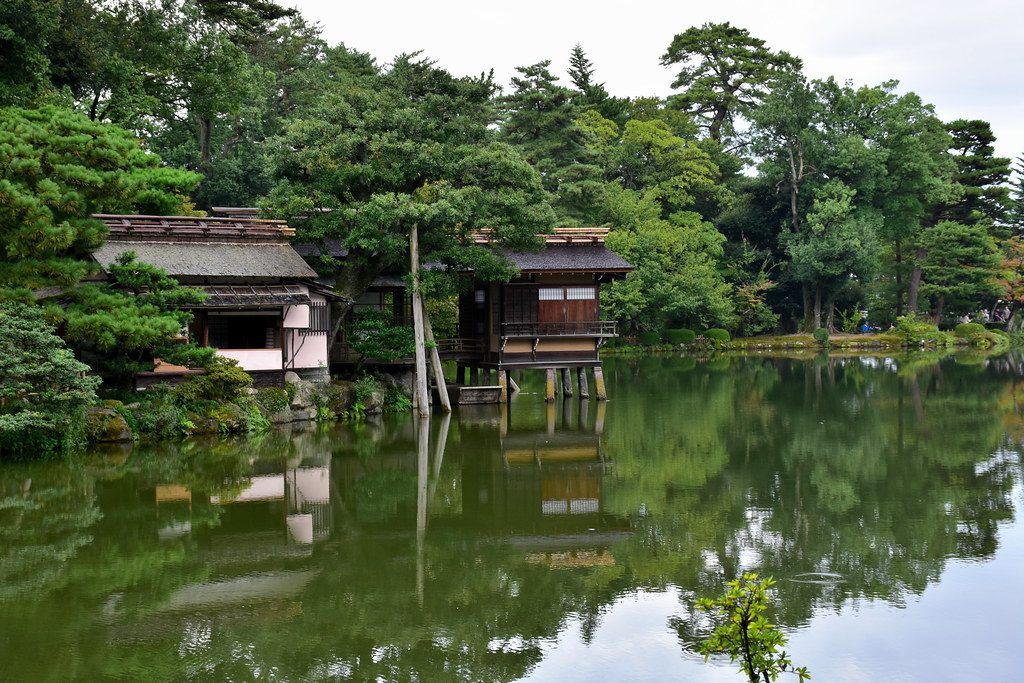
Situated on the edge of Kasumiga-ike Pond, this tea house appears to float on the water. It offers a unique perspective of the pond's reflections and the garden's central water features.

Visit during the morning to capture light reflecting off the pond.

Sazae-yama Tea Pavilion

Sazae-yama Tea Pavilion

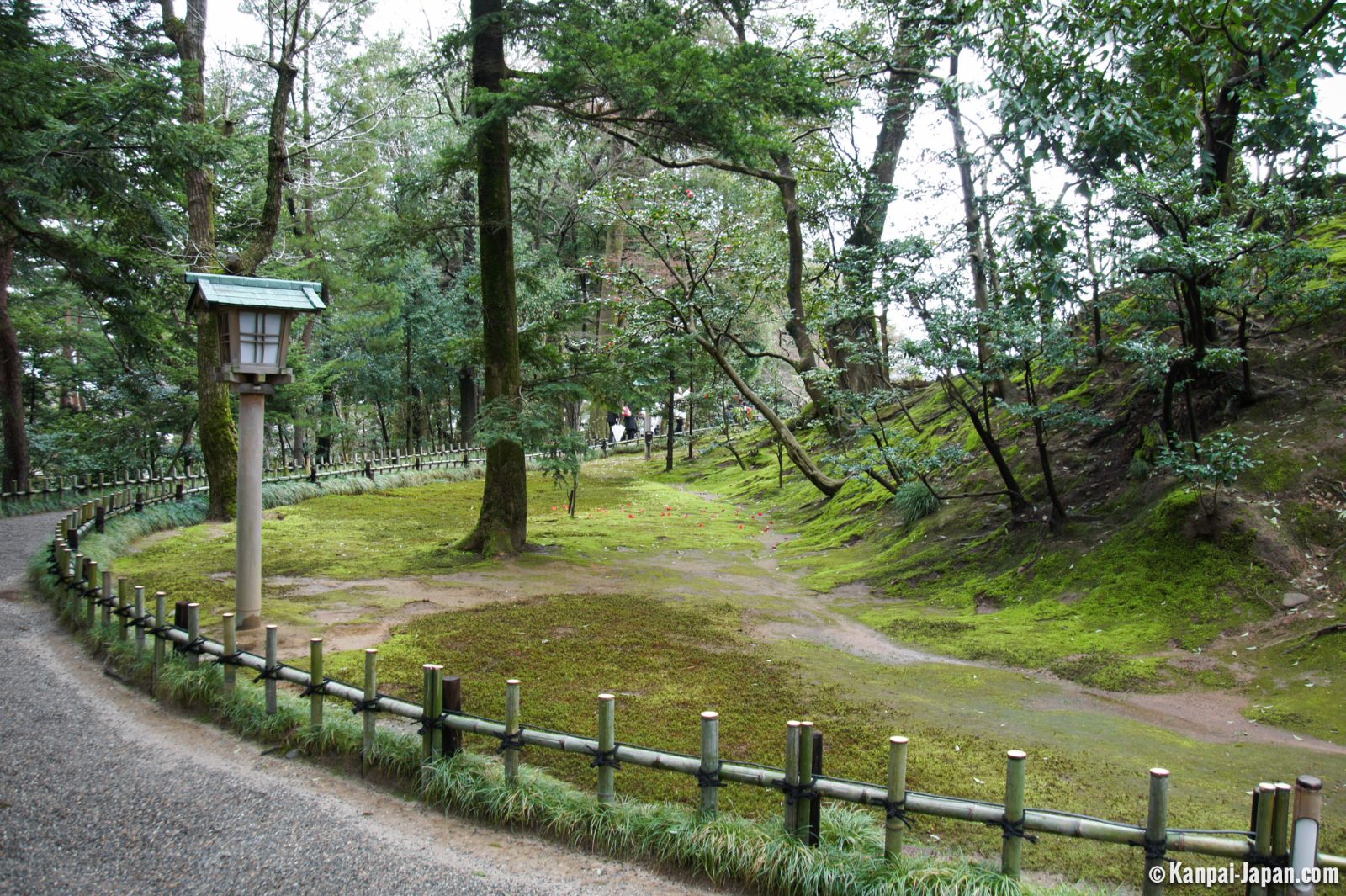
Located on the artificial mound known as Sazae-yama, this spot provides an elevated viewpoint. The area is known for its moss-covered stone paths and serene forest setting.

Walk the winding path upward for a quiet, elevated vantage point.

Etiquette

Kenrokuen Tea House Etiquette and Conduct

The tea houses within Kenroku-en preserve centuries of ceremony tradition. Observing proper conduct ensures a respectful experience for all visitors and maintains the quiet atmosphere essential to tea culture.

Do

  • Remove shoes before entering tatami mat areas
  • Bow slightly when receiving tea or sweets
  • Keep voices low and movements measured
  • Place belongings in designated areas to avoid obstructing pathways
  • Follow staff instructions regarding seating and ceremony participation
  • Silence mobile devices before entering tea house spaces

Don't

  • Don't photograph during active tea ceremonies without explicit permission
  • Don't touch scrolls, flower arrangements, or ceremonial utensils
  • Don't wear strong perfumes or colognes that interfere with tea aromas
  • Don't eat outside food or beverages inside the tea houses
  • Don't rush through the experience or leave abruptly mid-ceremony
Book

Check availability

Frequently asked

Frequently Asked Questions About Kenrokuen Tea House

Everything you need to know about kenrokuen tea house

Can I visit a kenrokuen tea house every day?

The garden is open daily, including every kenrokuen tea house, from 09:00 to 16:30. Please note that service times within the park may vary slightly from the main gate hours.

How much is the entry fee for a Kanazawa tea ceremony garden?

The conservation fee for Kenroku-en Garden is 320 JPY. Please be aware that any food or drink menu items purchased at a local tea house are charged separately from this admission.

When is the best time to visit a traditional chashitsu?

We recommend arriving between 09:00 and 12:00 to avoid mid-afternoon crowds. This window also ensures you have ample time to enjoy the atmosphere before the 16:00 last entry.

Is there a specific dress code for these historic landmarks?

There is no strict dress code for visiting these Japanese landmarks, though respectful attire is appreciated. You should feel comfortable walking through the garden paths in your chosen footwear.

Can I book a tea service in advance at a kenrokuen tea house?

While you can explore the garden freely, you should check the official site for specific arrangements regarding tea service. It is best to plan your visit around the operational hours provided.

Are children allowed inside the tea houses?

Yes, children are welcome to visit these cultural heritage sites with their families. We simply ask that all visitors maintain a quiet and respectful environment inside the structures.

What is the typical experience like at a kenrokuen tea house?

Visitors typically enjoy matcha and local wagashi sweets while overlooking the landscape. Each kenrokuen tea house offers a unique perspective of the surrounding plants, stone lanterns, and water features.